How Hairstylists Can Increase Weekly Income Without Adding More Clients
If you’re a hairstylist with a full book but still feeling the pressure to make more money, you’re not alone. Many stylists reach a point where their schedule is maxed out, their energy is stretched thin, and adding more clients simply isn’t an option.
The good news? Increasing your income doesn’t always require working more hours. I added over $400 per week to my income by changing how I approached retail sales, product education, and client consultations without adding a single appointment to my schedule.
Why Retail Sales Are the Most Overlooked Income Stream for Hairstylists
Most hairstylists understand that retail matters, but many struggle with consistency. Often, product recommendations are based on scent, branding, or labels like “moisturizing” or “repair.”
When I shifted my focus from selling products to educating clients, everything changed. Once I truly paid attention to hair needs instead of marketing claims, my product sales more than doubled.
Retail became a service, not a sales pitch.
“Dry Hair” Doesn’t Always Mean Moisture
One of the biggest misconceptions in haircare is assuming that dry hair always needs a moisturizing shampoo or conditioner.
In reality:
Dryness can be caused by mineral buildup or overuse of plastics.
Some “moisturizing” shampoos don’t actually hydrate hair.
Marketing often outweighs performance in the beauty industry.
Without ingredient knowledge, stylists risk recommending products that don’t work and when clients dislike a product, they often stop purchasing retail altogether.
What Happened When I Read the Ingredient Labels
I began analyzing the products I carried in my salon and noticed how many contained plastics and synthetic fillers. At the same time, I observed changes in hair performance:
- My lift wasn’t as clean
- Hair felt drier, even with “moisturizing” products
This made it clear that too many product options without education can hurt both results and retail sales. Clients may choose products based on scent, but results are what build trust.
Learning Hair Science Improved My Client Results and Retail Sales
I committed to learning the science behind hair structure and ingredients. One simple assessment transformed my consultations:
- If hair stretches excessively, it needs protein
- If hair snaps quickly, it needs moisture
From there, ingredient knowledge became the foundation of every recommendation.
Protein Ingredients Hairstylists Should Look For
- Collagen
- Quinoa
- Silk
- Chamomile
- Keratin
- Oat flour
- Amino acids
- Rice
Moisturizing Ingredients That Actually Hydrate Hair
- Natural oils
- Cottonseed
- Avocado
- Nut oils
- Seed butters
A best practice is checking where these ingredients fall on the label. For best results, they should appear in the first 4–6 ingredients. Ingredients listed at the bottom are usually present in minimal amounts.
How Better Product Recommendations Increase Hairstylist Income
Once I confidently guided my clients at each visit, retail sales became consistent and effortless. Shampoo and conditioner are essentials, and when clients see real results at home, they return asking for the same products.
This approach alone added over $400 per week to my income without extending my hours or overbooking my schedule.
Final Thoughts: Work Smarter, Not Longer
For hairstylists, sustainable income growth doesn’t always come from doing more services. Often, it comes from deeper education, better consultations, and smarter retail strategies.
When you understand hair science and ingredient functionality, retail becomes a natural extension of your expertise and your income reflects it.
Ready to Build Real Confidence Behind the Chair?
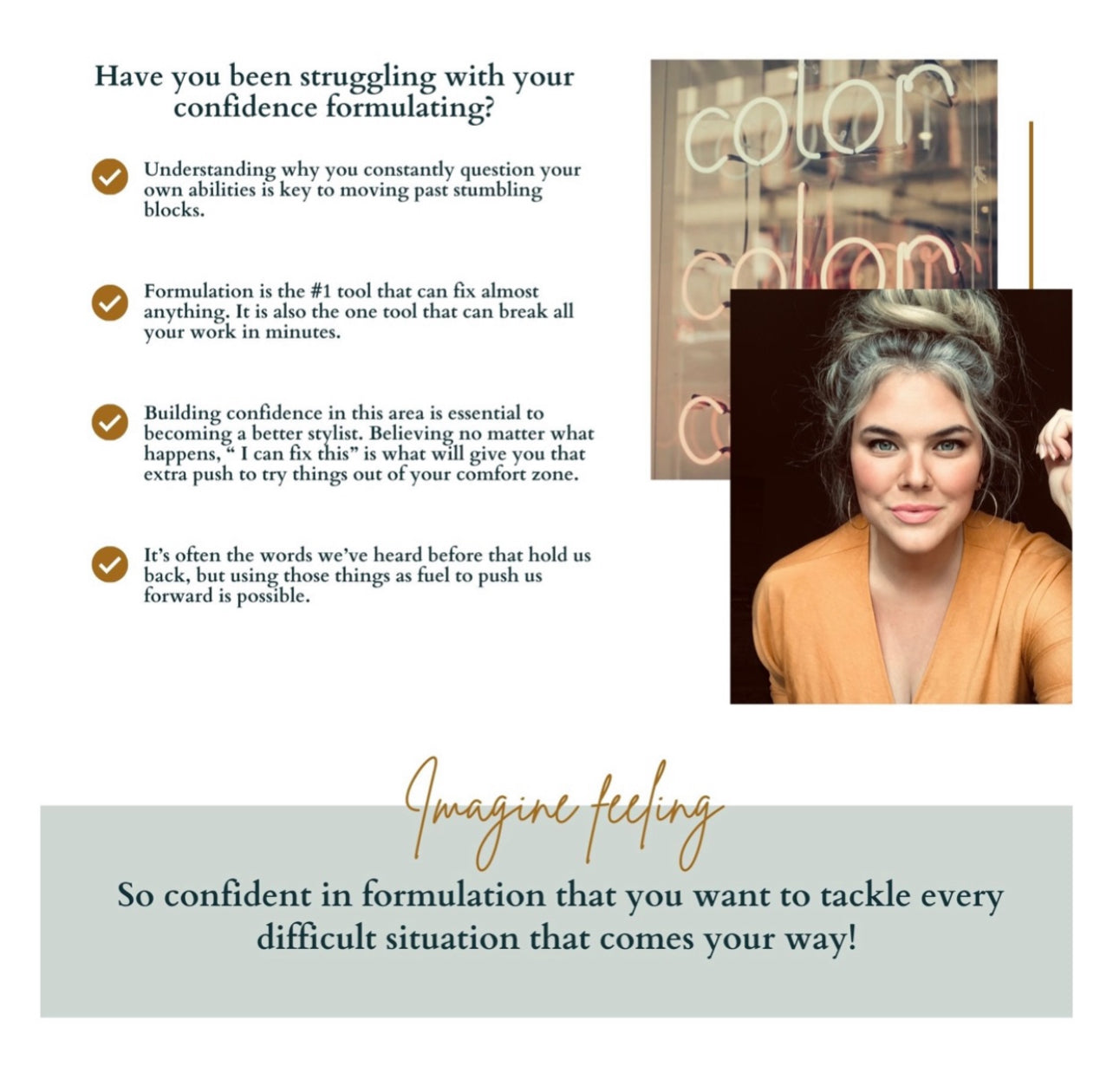
If learning ingredient science and hair behavior changed how you approach retail, imagine what it could do for your color formulations.
I’ve officially launched my NEWEST online course,
The Confidence Behind Formulation: Color Decoded
This course is designed to help you:
-
Rewire your entire formulation thought process
-
Understand why color behaves the way it does
-
Stop second-guessing yourself behind the chair
-
Build real, repeatable confidence in your creativity
-
Formulate with intention instead of fear or guesswork
When you understand the why behind color, everything shifts, from your results to your confidence to your income.
👉 Join below and start formulating with clarity and confidence.